
Digital inclusion
5 good reasons to personalise the display of your website
In recent years, personalisation has been a steadily growing trend. Already well established in the world of consumer products, it is now extending to digital through websites. Contrasts, background colour, font size… Users now want to browse web interfaces that adapt to their preferences.
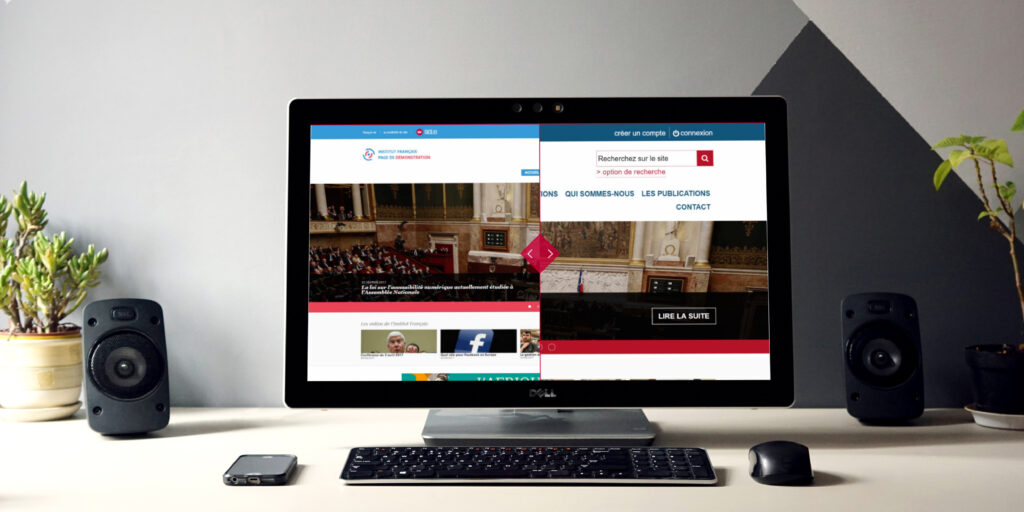
Every individual is unique and has specific needs. Designers and brands have understood this well, offering products that can be adjusted, adapt and evolve with the user. Just as you can adjust the height of an office chair, the position of a rear-view mirror or the volume of an audio device, users can now personalise the display of a website according to their needs.
Web personalisation: an immediate benefit for users
Contrasts, font size, line spacing, colours… Websites can now be personalised endlessly according to the user’s preferences, thanks to easy-to-use innovative solutions. At FACIL’iti, for example, there are more than 20 ready-to-use filters that change the appearance of the website in just a few clicks. A user can, for example, choose the “cataract” filter to benefit from immediately enlarged characters and a change in contrast.
Another example: dark mode is increasingly popular with users, as it is said to reduce eye strain while being more environmentally friendly. More and more websites and interfaces now let users choose their browsing preference.
A major asset for companies and website owners
Offering a website that adapts to everyone’s needs is a real asset, whether it is a corporate website, an e-commerce website, a public-sector website or a job board.
Here are 5 good reasons to offer your users a personalised website:
- Reason no. 1: to optimise the user experience of your website
- Reason no. 2: to take concrete action for digital inclusion, particularly towards vulnerable people or people with disabilities
- Reason no. 3: to reach a wider audience
- Reason no. 4: to stand out and make a difference
- Reason no. 5: to meet a real user need
Dyslexia and web personalisation: a video testimonial
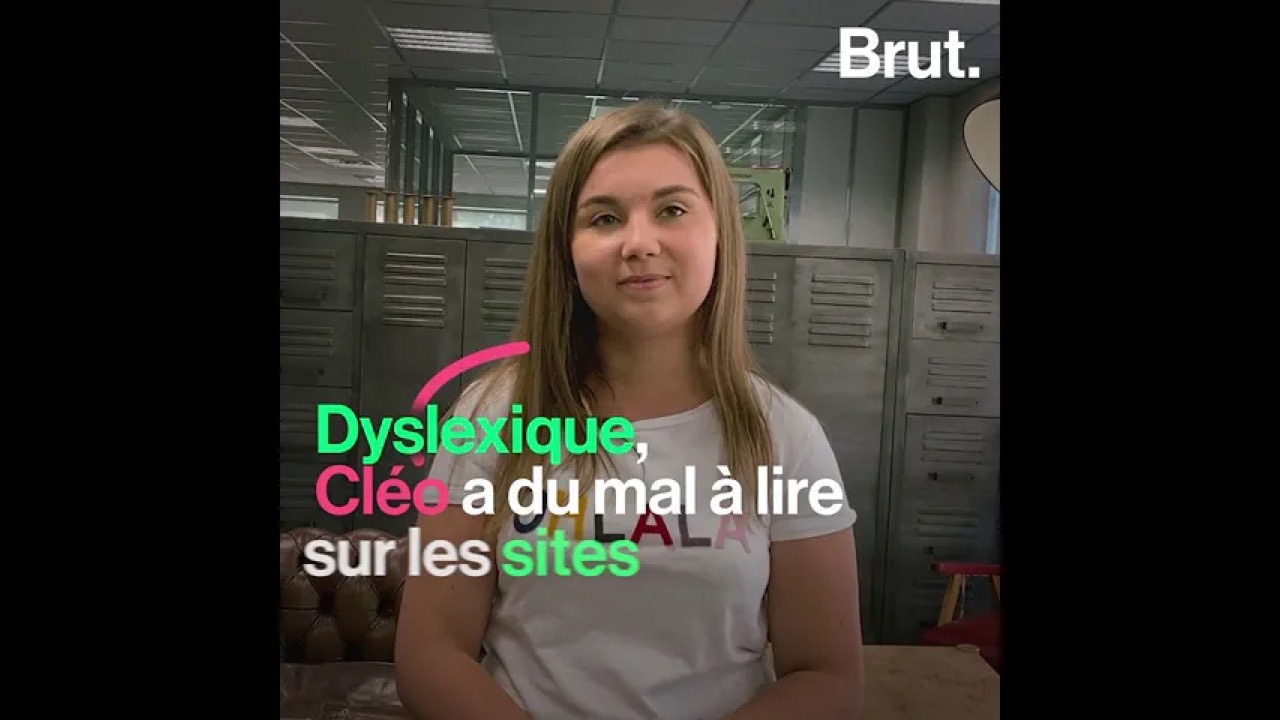
Show transcript
- From 0 to 13 seconds
- The problem for someone with dyslexia is that we don’t necessarily see… well, it also depends on the dyslexia, but we don’t necessarily see the letters in the same place.
- From 13 to 18 seconds
- On the Internet, the difficulties I notice are with the page, finding my way around it.
- From 18 to 23 seconds
- So I have to use the mouse cursor to know where I am.
- From 30 to 35 seconds
- If I turn it on for a web page, you can see that the font has changed,
- From 35 to 42 seconds
- the line spacing has increased and the text size has increased.
- From 51 seconds to 1 minute 1 second
- France is becoming more and more digital, so it is very important that all websites take this accessibility approach into account.
In short: personalising a website is a significant asset to make browsing easier for users, whatever their specific needs. Digital inclusion is a challenge for companies and brands, which must offer experiences that meet users’ expectations.
If you would like to equip your website with a turnkey web personalisation solution, contact us for a demonstration.